
A Practical, Homeowner-Friendly Guide from Ohio Roofing Solutions
When winter weather settles into Central Ohio, most homeowners focus on heating bills and snow removal. One winter issue often goes unnoticed until damage appears: the roof ice dam.
A roof ice dam does not usually announce itself right away. It often shows up later as water stains on ceilings, peeling paint, or insulation that is suddenly soaked. At Ohio Roofing Solutions, we see this every winter in Columbus, especially in homes that have not had recent inspections or fall roof maintenance.
This guide explains how ice dams form, why they are common in this area, and what practical steps homeowners can take to reduce the risk. No pressure. No guesswork.
In this guide, you’ll learn:
- What causes ice dams and why Columbus roofs are vulnerable
- How to spot early warning signs
- What to address before winter weather arrives
- Proven steps to protect your roof long term
- When to schedule an inspection versus an estimate
If you want help reviewing your roof before winter sets in, Ohio Roofing Solutions can help with a professional inspection designed for Columbus homes.
What Are Ice Dams on a Roof?
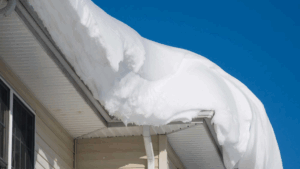
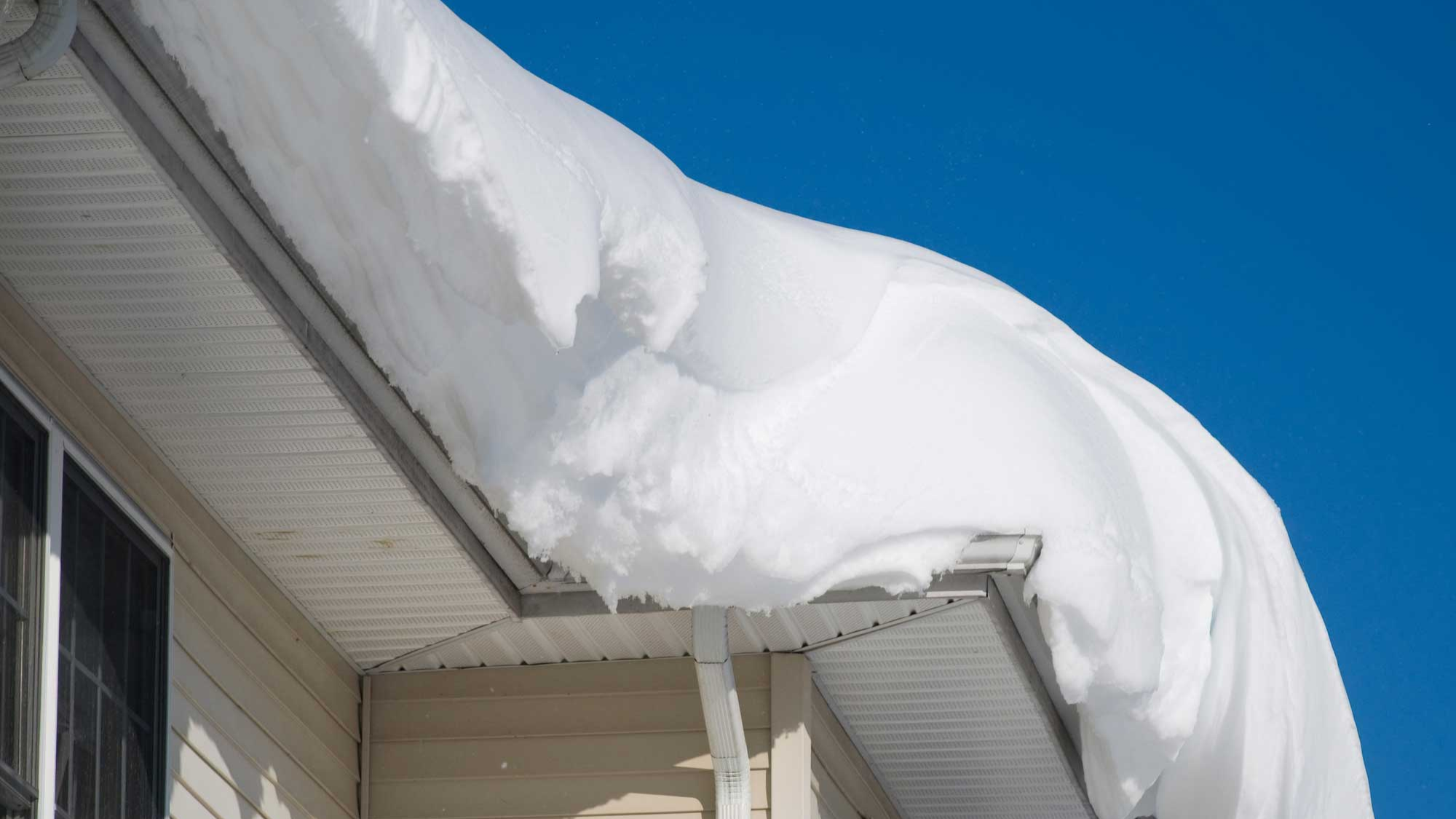
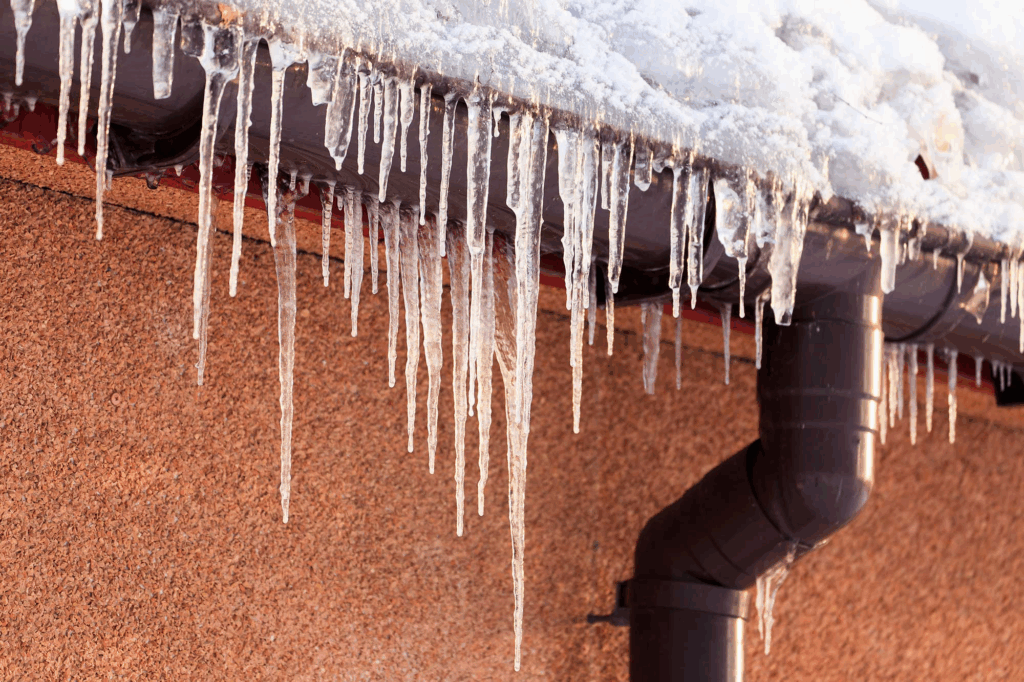
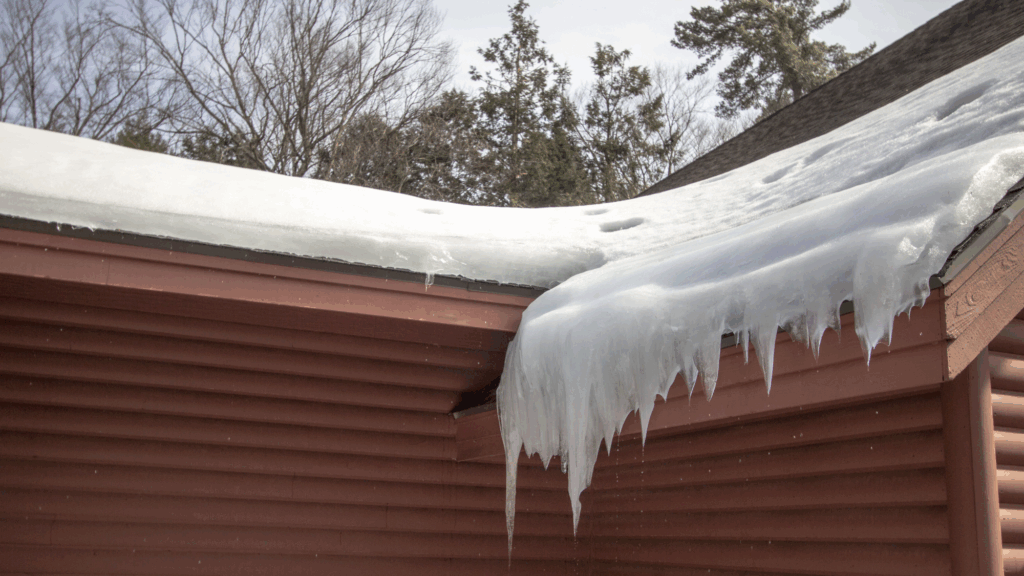
Ice dams on a roof form when snow melts on the upper portion of the roof and refreezes near the eaves. Over time, this creates a ridge of ice that blocks proper drainage. As melting continues, water backs up behind the ice dam and can slip underneath shingles.
Once water gets under roofing materials, even a newer roof can leak. The issue is not always the shingles themselves. It is the trapped water with nowhere to go.
Why Ice Dams Are Common in Columbus OH
Columbus winters are known for temperature swings. Snowfall followed by sun and then freezing nights creates the ideal conditions for ice dams. Many homes in the area also have:
- Older insulation levels
- Inconsistent attic ventilation
- Roof systems installed before modern underlayment standards
Together, these factors make ice dams one of the most common winter roofing issues we inspect in Central Ohio.
What to Know Before Trying to Prevent Ice Dams
Start With the Right Evaluation
Ice dams are rarely caused by a single issue. They are usually the result of how insulation, ventilation, and roofing materials work together.
This is why a professional inspection matters, especially when insurance may be involved. During inspections, we use:
- Thermal imaging to locate heat loss
- Moisture meters to identify hidden water intrusion
- Visual checks of ventilation, flashing, and roof edges
For retail work or planned improvements, we provide clear estimates that explain options and costs without pressure.
Budgeting for Prevention
Preventive work is typically far less expensive than repairing interior water damage. Depending on what your home needs, improvements may include:
- Insulation upgrades
- Ventilation corrections
- Ice and water shield installation during roof work
These steps are often addressed during fall roof maintenance or September roof inspections, when conditions allow for proactive solutions.
How Ice Dams Form and How to Stop Them
Step 1: Address Attic Insulation
Uneven roof temperatures are the root cause of ice dams. Warm air escaping into the attic melts snow above. Colder eaves refreeze the runoff.
Homes in Columbus should generally have attic insulation rated between R-49 and R-60. Gaps around attic hatches, light fixtures, and ductwork are common problem areas we identify during inspections.
Step 2: Improve Roof Ventilation
Proper ventilation allows cold air to circulate beneath the roof deck. This keeps surface temperatures more consistent.
We frequently inspect:
- Blocked soffit vents
- Inadequate ridge ventilation
- Moisture buildup caused by poor airflow
Balanced ventilation is one of the most effective long-term ways to reduce ice dam risk.
Step 3: Install Ice and Water Shield Where It Matters
Ice and water shield is a waterproof membrane installed along roof edges and valleys. It acts as a backup barrier if water works beneath the shingles.
When Ohio Roofing Solutions installs or replaces a roof, we use high-quality underlayment products from GAF, Owens Corning, and CertainTeed. In many cases, we exceed minimum code requirements.
Step 4: Manage Snow Safely
After heavy snowfall, gently removing snow from the roof edge with a roof rake can help reduce buildup. Avoid climbing onto icy roofs or chipping ice. Both approaches often lead to shingle damage or injury.
Step 5: Schedule Seasonal Inspections
The best time to reduce winter risks is before winter arrives. Fall roof maintenance and September roof inspections give homeowners time to address insulation gaps, ventilation issues, and worn materials before freezing temperatures limit repair options.
Deeper Insight: Materials, Risk Factors, and Long-Term Protection
Roofing Materials and Ice Dam Performance
Most homes in Columbus use asphalt shingles, which perform well when installed correctly and paired with proper underlayment. Aging shingles or missing ice barrier protection increase the risk of leaks.
Metal roofing sheds snow more easily but still requires precise flashing and edge detailing. We install and repair both systems with ice dam prevention in mind.
Warranties and Workmanship
Ohio Roofing Solutions offers:
- Lifetime manufacturer warranties on asphalt shingles
- Five-year workmanship warranties on roof replacements
- Certified installation standards backed by Directorii certification
Our inspectors are also HAAG-certified, which means we are trained to properly assess storm and weather-related damage. This is especially important when insurance claims are involved.
Pros and Cons of Common Ice Dam Prevention Methods
| Method | Benefit | Consideration |
| Insulation upgrades | Improves energy efficiency | Upfront cost |
| Ventilation improvements | Reduces temperature imbalance | May require structural changes |
| Ice and water shield | Protects against backup leaks | Installed during roof work |
| Heated cables | Localized melting | Ongoing energy use |
Common Winter Roofing Questions for Columbus OH Homeowners
If you are preparing your home for winter or have already noticed signs of ice buildup, these are some of the most common questions we hear during inspections. The answers below are written to give you straightforward clarity before problems escalate.
What is an ice dam on a roof?
An ice dam on a roof is a buildup of refrozen meltwater along the roof edge that blocks proper drainage. As snow melts higher on the roof and refreezes near the eaves, water can become trapped and work its way beneath shingles, leading to interior leaks.
How do ice dams damage homes in Columbus?
Ice dams damage homes by forcing water underneath roofing materials and into the structure. In Columbus OH, repeated freeze-thaw cycles increase the risk of water intrusion, which can damage insulation, ceilings, drywall, and framing over time.
How can I tell if ice dams are forming on my roof?
Ice dams are often identified by large icicles, ceiling stains, or peeling interior paint. These warning signs usually indicate water backing up behind ice at the roof edge rather than a simple surface leak.
How to prevent ice dams on roof systems long term?
The best way to prevent ice dams on roof systems is by improving attic insulation and ventilation. Keeping attic temperatures consistent reduces snowmelt at the roof surface and prevents refreezing at the eaves.
Does homeowners insurance cover ice dam damage?
Homeowners insurance may cover interior water damage caused by ice dams, depending on the policy. However, insurers often consider ice dams a maintenance-related issue, which is why documentation from a professional inspection can be important.
Do you offer emergency services for winter roof issues?
Yes, we offer emergency services for winter roof issues, including leak repairs and emergency tarping. These services help prevent further damage while a permanent repair or insurance inspection is arranged.
When should I schedule fall roof maintenance in Columbus OH?
Fall roof maintenance in Columbus OH is best scheduled in September or early October. September roof inspections allow time to address insulation, ventilation, and material concerns before freezing temperatures limit repair options.
Protect Your Columbus Home from Ice Dams Before Winter Hits
A roof ice dam may seem like a winter inconvenience, but it is often a sign that something in your roof system needs attention. The good news is that ice dams are usually preventable with proper insulation, ventilation, and professional inspections.
Ohio Roofing Solutions has served Central Ohio for more than 12 years. We are local, certified, and focused on doing the job right. No shortcuts. No pressure. Just clear answers and dependable work.
Schedule your free inspection today and take a smart step toward protecting your home this winter.